Your motor tax is due. Your insurance renewal landed in the post. And you just filled a tank that cost you nearly ninety euro. Welcome to September.
It happens every year with the reliability of a bad weather forecast. September stacks the bills. Fuel prices tick upward. Insurers send out renewals timed for the post-summer lull. And drivers across Ireland sit at kitchen tables doing mental arithmetic that never adds up the way they'd like. So let's put actual numbers on it. What does it cost, right now, to legally own and drive a car in Ireland?
The answer is more than most people want to admit.
The September Effect: Why This Month Hits Hardest
September isn't just back-to-school. It's back-to-paying-for-everything.
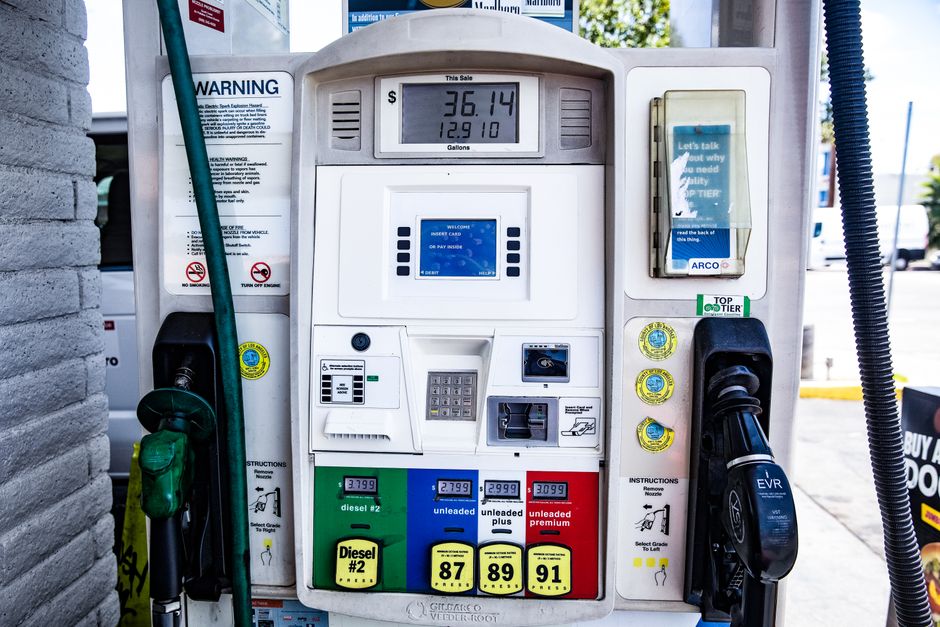
Global oil markets tend to firm up after summer. Refineries shift production toward winter-blend fuels, which cost more to produce. Demand from returning commuters and school-run traffic spikes. The result is that pump prices in September have historically run higher than the summer average. In recent years, petrol prices have bounced between €1.75 and €2.10 per litre at Irish forecourts, with September regularly sitting near the upper end of that range.
On top of that, a significant chunk of Irish motor insurance policies renew in September and October. Insurers know this. They're not rushing to offer their best price to a driver who hasn't shopped around yet. The renewal letter arrives, the price is up, and a lot of people just pay it because the hassle of switching feels like too much on top of everything else.
That instinct costs money. Real money.
Fuel: The Bill That Never Stops
A 2019 Toyota Corolla averaging 35 miles per gallon (around 8 litres per 100km) and covering 18,000km a year will burn through roughly 1,440 litres of petrol. At €1.90 per litre, that's €2,736 a year in fuel alone. At €2.05 per litre, it becomes €2,952.
That difference of over €200 comes purely from a price swing that September routinely delivers.
Diesel drivers aren't immune. Diesel has historically been cheaper per litre but the margin has narrowed significantly. And older diesel engines with higher consumption rates can easily close that gap entirely.
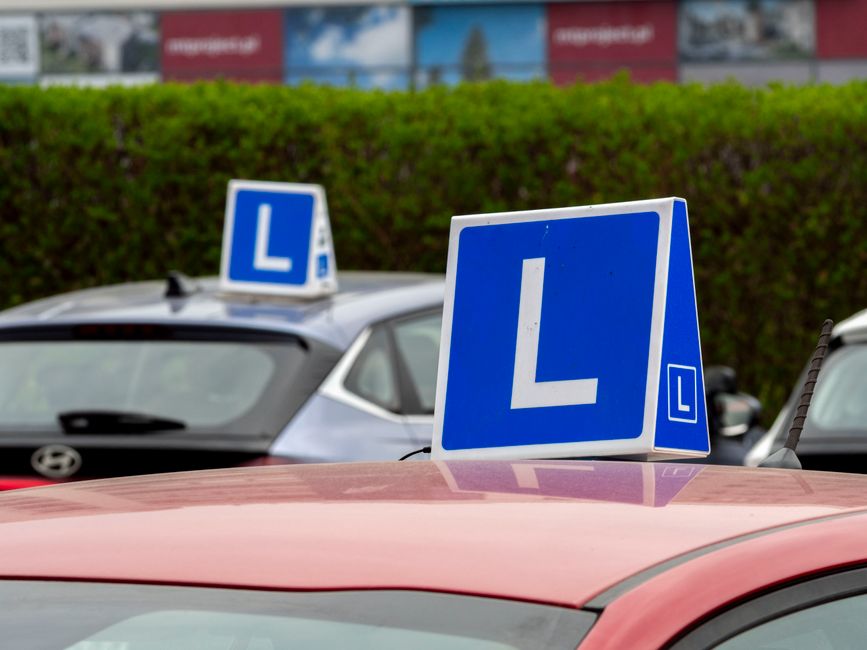
The practical fix is not glamorous: tyre pressure, smooth acceleration, trip consolidation. Five things no learner driver instructor will tell you about fuel economy covers the basics, but the honest answer is that small habits across a full year add up to a tank or two of savings. Not nothing. Not everything.
Insurance: The Renewal Trap
Irish car insurance premiums have been climbing. The reasons are layered: rising repair costs, more expensive parts, legal claims, and the general inflation that's touched everything. The result is that a driver who paid €800 last September might open their renewal letter this year to find €940 or more.
Why has the cost of car insurance got so high in Ireland? is a question with a long answer, but the short version is: insurers are pricing for uncertainty, and you're funding that uncertainty.
What works: shop around every single year without exception. Use a broker. Tell your current insurer what competitors have quoted. They will often match or beat it, which tells you exactly how much margin was sitting in that renewal price. Loyalty in car insurance is expensive. It is not rewarded.
Motor Tax: Depends on What You're Driving
Motor tax in Ireland runs on an emissions-based band system for cars registered after July 2008. A car emitting under 80g/km of CO2 pays as little as €120 a year. Something pushing out 225g/km or above is looking at €2,350 annually.
Most everyday cars, a 2018 Volkswagen Golf 1.5 TSI or a 2017 Ford Focus 1.0 EcoBoost, sit somewhere in the middle. Expect €280 to €390 a year if you're in a typical petrol hatchback. SUV drivers pay more. Usually quite a bit more.
NCT and Servicing: The Costs People Forget Until They Can't
An NCT costs €55 for a standard test. Pass first time and that's it. Fail and you're paying again, plus whatever the garage charges to fix the items that caused the failure.
Annual servicing on a typical family car runs between €150 and €350 depending on the car, the garage, and whether anything decides to go wrong during inspection. Brake pads, tyres, wiper blades. These are not optional. They are the price of keeping a car safe and legal.
Tyres alone deserve a mention. A set of four decent mid-range tyres for something like a 2016 Hyundai Tucson will run €400 to €600 fitted. Budget tyres exist. They cost less upfront. They also perform worse in wet conditions, which in Ireland is most conditions.
Parking, Tolls, and the Death by Small Charges
Dublin city parking can run €3 to €5 an hour depending on where you land. An M50 toll at peak rate is €3.10 per crossing. Regular users of the Port Tunnel, the M1, or the M7 accumulate toll costs that most people don't actually total up across a year because the number would be uncomfortable.
A commuter crossing the M50 twice a day, five days a week, fifty weeks a year is spending over €1,500 on that toll alone.
The Annual Total: What You're Actually Paying
Stack it up for a typical Irish driver running a mid-range 2019 petrol hatchback, doing average mileage, living within commuting distance of a city:
- Fuel: €2,700 to €3,000
- Insurance: €700 to €1,200 (varies heavily by age, history, area)
- Motor tax: €280 to €420
- NCT: €55 (plus any remedial work)
- Servicing and maintenance: €400 to €700
- Tolls and parking: €600 to €1,500
That puts a cautious floor somewhere around €4,700 a year. A realistic average for many drivers is €6,000 to €7,500. And that's before any unexpected repair, a windscreen, a broken clutch, or four new tyres arriving at once.
September is when a lot of those line items fall due at the same time.
What You Can Actually Do About It
Shop your insurance before the renewal date, not after. Give yourself three weeks. Log mileage and adjust cover if your commute has changed. Check whether a higher voluntary excess reduces your premium without adding meaningful risk.
On fuel: fill up mid-week where possible. Tuesday and Wednesday tend to see slightly lower forecourt prices than Friday, when stations quietly raise prices ahead of weekend demand. It's not a massive saving. It's the principle of not paying more than you have to.
Get the NCT done before the sticker expires. A roadside check on an overdue NCT adds an on-the-spot fine to your already considerable list of expenses.
And if your car is getting older, the repair bill risk rises every year. A 2015 Ford Focus with 140,000km on it is not the same financial proposition as one with 80,000km. At some point, the cumulative maintenance cost starts to challenge the logic of holding onto it.
September lands on every driver the same way. The bills were always coming. The only variable is whether you saw them coming first.