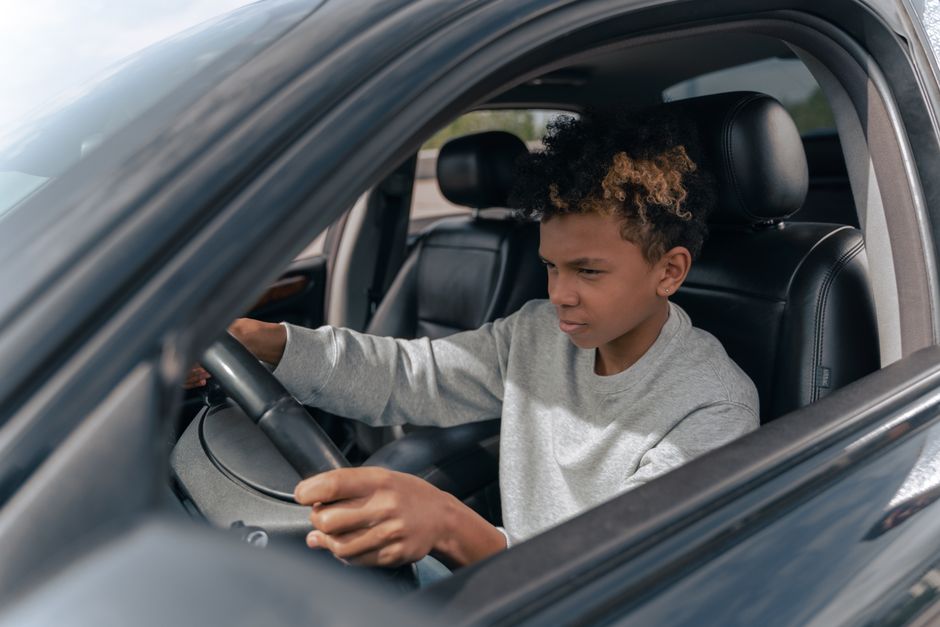
Your teenager just got their learner permit. Brilliant. Now comes the part nobody puts in the congratulations card: they are, statistically, the most likely person on your road to be involved in a serious crash.
That is not a scare tactic. It is what the numbers say, year after year.
The RSA's own figures consistently show that drivers aged 17 to 24 are massively overrepresented in fatal and serious injury collisions relative to their share of licence holders. Young men, in particular, account for a disproportionate slice of road deaths. In one recent five-year period, male drivers under 25 were involved in more fatal crashes than any other demographic group. They drive fewer kilometres overall. The risk per kilometre is the point.
So what is actually causing these crashes? And what can you, as the parent sitting in the passenger seat with one foot on an imaginary brake, actually do about it?
The Real Causes. Not What You Think
Most people assume young driver crashes come down to one thing: inexperience. That is part of it, but it is the lazy answer. The RSA's collision data points to a cluster of specific behaviours, and they are worth knowing by name.
Speed. Inappropriate speed is the single biggest contributing factor in fatal collisions involving young drivers. Not always illegal speed. Often just speed that was wrong for the conditions. A wet road at 80km/h. A rural bend taken at a pace that leaves no margin for error.
Distraction. Phone use is the obvious one. But passengers matter too. Research across multiple countries shows that carrying two or more peers roughly doubles crash risk for a 17 or 18-year-old driver. The car becomes a social space. The road becomes secondary.
Night driving. The hours between 11pm and 3am are disproportionately deadly for young drivers. Fatigue, reduced visibility, and the fact that other impaired or tired road users are out in higher numbers all stack up together.
Rural roads. This one surprises people. Urban areas have lower speed limits and more traffic calming. Ireland's rural roads, many of them narrow, poorly lit, and without hard shoulders, are where young drivers most often come unstuck. The RSA's own analysis has repeatedly flagged rural single-carriageway roads as the most dangerous environment for this age group.
Overconfidence after passing. There is a well-documented spike in crash risk in the first six to twelve months after a new driver gets their full licence. The supervised caution of the learner period evaporates. They are on their own. And they think they know what they are doing.
What the EDT Was Designed to Fix
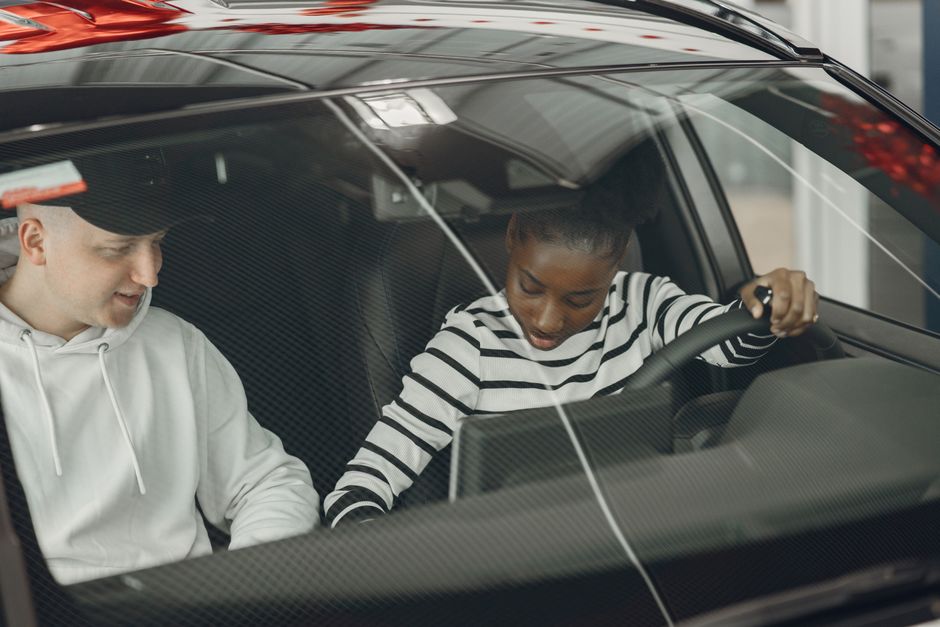
Ireland's Essential Driver Training framework exists precisely because sitting in a car with a parent for a few months was not producing safe drivers. The 12 EDT lessons are structured around the specific risk areas that cause crashes, not just the manoeuvres needed to pass a test.
Lessons cover pre-driving checks, basic control, and urban driving early on. But the later lessons get into the stuff that actually matters for safety: driving in low visibility, driving at night, motorway driving, and eco-friendly driving that builds smooth, deliberate habits. The whole point is to force exposure to difficult conditions while a qualified instructor is still in the car.
The problem is that many learners treat EDT as a box-ticking exercise. Get the 12 stamps. Pass the test. Move on. The skills covered in those EDT sessions are not just theory test fodder. They are the specific competencies that keep people alive on the N52 at midnight in November.
What You Should Actually Practise Between Lessons
If your teenager is doing their EDT and practising with you in between, here is where to focus the time. Not car parks. Not the same quiet estate road every Saturday morning.
Rural roads at legal speeds. Get them on roads that have bends, poor surfaces, and no margin for error. Not to scare them. To build reading habits. A young driver who has only ever practised in suburban Dublin has no reference point for a slippery country road.
Night driving. Do it. It feels uncomfortable as a supervising driver, which is exactly why it needs to happen before they are doing it alone.
Motorway merging. Many new drivers are terrified of motorways and avoid them. Then one day they have to use one alone. Motorway driving for new drivers deserves dedicated practice, not avoidance.
Wet conditions. Ireland is not short of opportunities. Use them. Braking distances on a wet road are roughly double those on dry tarmac. They need to feel that, not just read it.
Passengers. Before your teenager ever drives with a carload of friends, they need repetitions of driving while someone else is talking in the car. Build that filter gradually.
The Conversation Worth Having
The statistics are not going to change the behaviour of a 19-year-old who feels fine. Parental lectures have a limited shelf life. What does seem to work is specificity.
Not "be careful." Not "watch your speed." Specific conversations about specific situations. "If you are tired after the match, ring me. No questions asked." "If someone gets in the car and starts messing, pull over." "If the weather is bad and you do not feel right, stop."
The graduated licensing system, with its N-plate restrictions and night-time curfews for newly qualified drivers, exists in many countries and has solid evidence behind it. Ireland's version is more modest. That puts more of the responsibility back on families to set the limits that the law does not.
After the Test Is When the Risk Peaks
This is the part most parents do not expect. You have watched them practice for months. They have passed. You breathe out. And then the first twelve months of solo driving arrive, statistically the most dangerous period of their driving life.
Keep the conversation going after the test. Check in on how they are finding night drives. Ask if anything has caught them out. The RSA's figures show that this post-test window is when overconfidence meets genuinely novel situations, and where crashes cluster.
Your teenager started this journey thinking a roundabout was a suggestion. Getting them to the point where they treat every unfamiliar road with genuine respect is the actual job. The test is just the beginning of it.