An Irish teenager wins a British motorsport title at 18 and the coverage amounts to a few social posts and a regional mention. Meanwhile, the same weekend's GAA scores got three segments on the six o'clock news. That tells you everything about where Irish motorsport sits in the national conversation. And it needs to change.
Leah McManus claimed the BTRDA Rallycross Championship title in 2024, competing against seasoned British and European competition in a discipline that punishes hesitation and rewards car control above almost anything else. She is 18. She did it on tracks where the surface changes mid-corner, where contact is part of the game, and where the margin for error is basically zero. That is not a junior fun run. That is a serious motorsport result from a serious talent.
What Rallycross Actually Demands
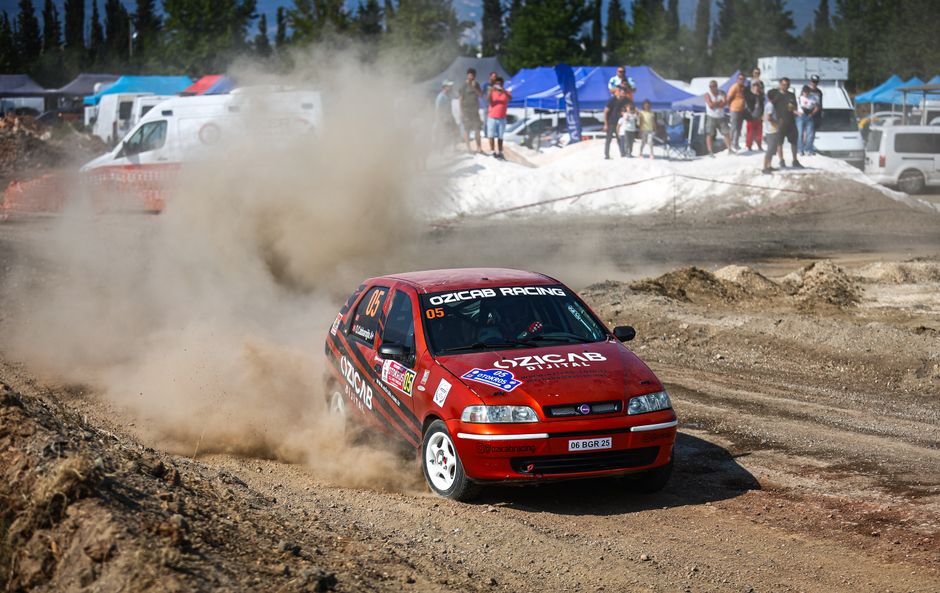
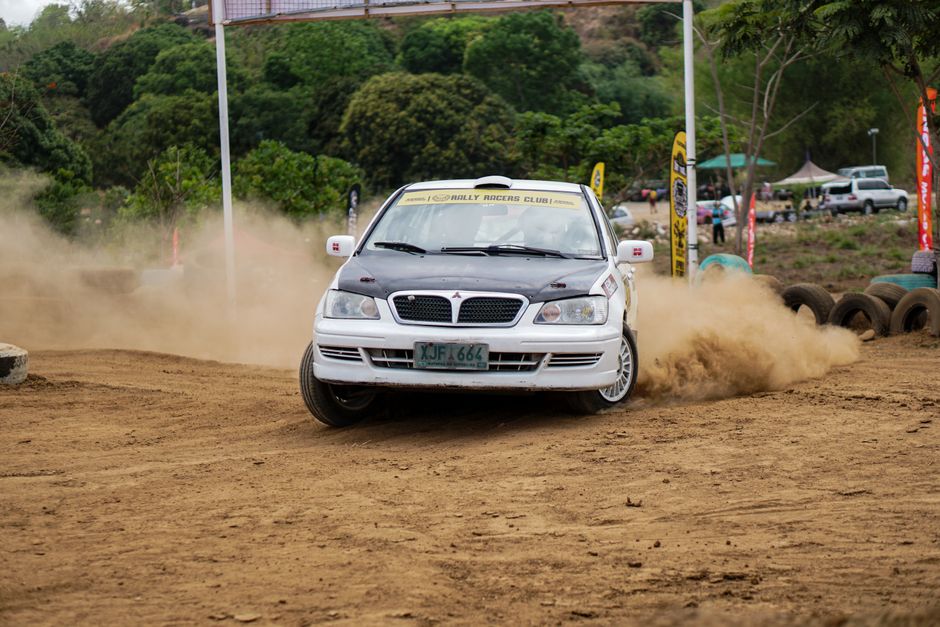
Rallycross gets lumped in with rally driving by people who have never watched it properly. It is not the same thing. Rallycross takes place on short circuits with both tarmac and gravel sections, runs cars in tight packs, and compresses what rally does over hundreds of kilometres into a few ferocious minutes. The joker lap rule forces strategic decisions mid-race. You are reading the track, reading your competitors, and managing a car that does not always want to behave. Doing this consistently enough to win a championship requires more than raw speed.
McManus has been building toward this for years. Irish motorsport has a genuine grassroots culture, from autocross in muddy fields to forest stage rallying, and it produces drivers who understand mechanical grip and surface reading in a way that pure circuit racers often do not. That background matters in rallycross. It is not a coincidence that drivers from rallying nations tend to take to the discipline faster.
Why Irish Media Missed the Story
Here is the honest answer: Irish media covers motorsport when there is an established name attached or when something goes dramatically wrong. A young woman winning a British championship in a discipline most sports editors cannot spell does not fit either category. It is not malicious. It is just the usual fog of institutional indifference toward anything that does not already have an audience.
Compare the coverage McManus received to what a 18-year-old golfer or footballer with a comparable result would have generated. The disparity is not subtle. Irish motorsport has always had to fight for recognition at home even when its competitors are winning abroad. Veteran rally drivers, circuit racers, and now rallycross champions have all navigated the same wall of polite disinterest from national broadcasters.
What This Win Actually Means for Irish Motorsport
McManus winning the BTRDA title at 18 matters on several levels. First, it confirms that the Irish motorsport pathway, imperfect and underfunded as it is, can produce championship-level talent capable of competing across the water. That is worth stating plainly. The system works well enough to get someone to a British title before they are old enough to vote.
Second, it puts rallycross on the map as a viable discipline for young Irish drivers to consider. The sport is accessible relative to single-seater racing, the competition calendar is manageable, and the skill set transfers across disciplines. For a 16 or 17-year-old looking at motorsport as a serious pursuit, McManus now exists as a visible proof of concept.
Third, it raises a question that Irish motorsport's governing bodies and sponsors should be asking themselves right now: what does a career pathway look like for someone with this level of talent? The step from BTRDA champion to European Rallycross Championship level is significant. It requires budget, support structures, and commercial backing that do not materialise automatically from a title win. Someone needs to be thinking about this before the momentum dissipates.
The Funding Gap That Swallows Irish Talent
Irish motorsport's dirty secret is not a lack of talent. It is a chronic shortage of the infrastructure around talent. Driver development programmes exist in other countries as formal pipelines. In Ireland, the model is largely still "find a sponsor, find a team, figure it out." That works for some. It fails a lot of people who had the ability but not the network or the family resources to bridge the gap.
McManus's achievement deserves recognition partly because she has navigated this landscape at an age when most people are still working out what their leaving cert results mean. The cost of competing at British championship level is not trivial. The logistics of competing across the water from Ireland add another layer. Winning under those conditions is harder than the result makes it look.
What Needs to Happen Next
Motorsport Ireland has a role here. So do the commercial sponsors who align themselves with Irish sport. And so does the media, which has the ability to create the visibility that attracts both. Young Irish drivers watching McManus need to see her story told properly, not because it makes for feel-good content, but because it signals that the path exists and that it leads somewhere.
There is also something to be said for the clubs and volunteers who run the grassroots events where drivers like McManus get their first competitive kilometres. Those autocross days and junior rallycross rounds are the bottom rung of a ladder that, as McManus has just demonstrated, actually goes somewhere. They deserve the same attention we give the top.
Leah McManus went to Britain, competed against the best in her class, and came home with a championship. Irish media barely noticed. The next time someone asks why Irish motorsport does not produce more international talent, remember that the talent was there. We just were not watching.