Your first insurance quote lands and you genuinely think there's been a typo. There hasn't.
Welcome to young driver insurance in Ireland, where a 2018 Toyota Yaris with 90,000km on the clock costs more to insure than most people's monthly rent. The good news is that 2024 has brought some genuine movement in this market. The bad news is that you have to know where to look.
What's Actually Changed in 2024
The headline figure hasn't budged much. First-time drivers in Ireland are still routinely quoted between €2,000 and €4,000 for a standard annual policy. The RSA's own figures confirm that 18 to 24-year-olds remain the highest-risk cohort on Irish roads, and insurers price accordingly. That part isn't new.
What is new is the competitive pressure on telematics products. Black box policies, where a device or app monitors your speed, braking and driving times, have become genuinely mainstream rather than a novelty. Three or four years ago, only one or two Irish providers were seriously pushing them. Now the market has widened, and the variance between providers on telematics pricing is significant enough to shop hard.
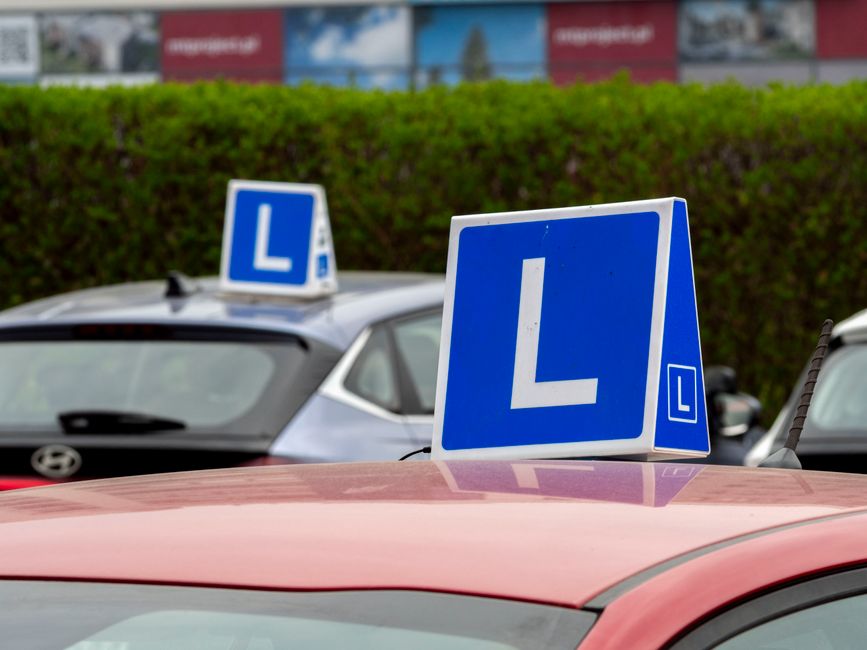
There's also been a quiet shift in how some insurers treat the EDT (Essential Driver Training) record. A minority of providers are factoring completed EDT lessons into risk calculations for learner drivers. Not all. Not loudly. But it's there, and it matters.
The Car You Choose Is Doing Heavy Lifting
Group ratings are the unsexy bit nobody reads. Every car model is assigned an insurance group based on repair costs, performance and claims history. A 2015 Ford Focus 1.0 EcoBoost and a 2015 Ford Focus 1.6 TDCi are different cars in the eyes of an underwriter. Engine size, even on an older vehicle, still moves the needle.
For a first car, a small petrol engine under 1.4 litres in a low-trim model is the least punishing choice. Think Opel Corsa, Toyota Yaris, Volkswagen Polo. Avoid sporty trim levels with body kits. Insurers aren't charmed by the alloys. They see a young driver in a vehicle that signals performance intent, and the quote reflects that.
Modifications are a catastrophe. Even aftermarket sound systems. Declare everything and expect the premium to climb.
Telematics: The Actual Numbers
A standard comprehensive quote for an 18-year-old on their own policy, no named drivers, can sit at €3,500 or above. The same driver on a telematics policy with a clean first three months of data can see that drop by 20 to 40 percent at renewal. That's potentially €700 to €1,400 off.
The conditions matter. Most telematics policies penalise driving between 11pm and 5am. If you're working nights or playing away matches on a Saturday, read the fine print before you sign. Some policies impose curfews in name only and adjust your renewal score. Others will void certain cover if you breach thresholds repeatedly.
The app-based versions (no physical box) have become more common and are generally less hassle to set up. They're also easier to game in theory, which is exactly why insurers are tightening the methodology.
Named Driver vs. Your Own Policy
Being added as a named driver on a parent's policy is cheaper in year one. Full stop. But it doesn't build your own no-claims bonus, which is the long game. After three years of no claims, Irish drivers typically see premiums drop significantly. Every year you spend as a named driver is a year you're not accumulating that bonus in your own name.
The maths varies by situation. If you're driving infrequently, named driver can make sense for longer. If the car is primarily yours, you need your own policy and you need to start that no-claims clock.
Fronting, where a parent takes the policy as the main driver on a car that is effectively the young driver's, is insurance fraud. It also invalidates the policy entirely if a claim is made. Every insurer knows this trick. Don't.
Overlooked Moves That Actually Work
Pay annually if you can borrow the money. Monthly instalments on young driver policies attract interest that often adds 8 to 12 percent to the total cost. If a family member can lend the lump sum, even at a modest arrangement, the maths usually favours it.
Voluntary excess. Raising your voluntary excess from the standard €250 to €500 or €750 can meaningfully reduce your premium. Only do this if you can actually cover that amount if you need to claim.
Named driver additions. Adding an experienced driver with a clean licence to your policy, legitimately as someone who occasionally drives the car, can reduce the premium. The key word is legitimately. If they never drive it, see above.
Shop at 21 to 22 days before renewal. Comparison sites and brokers consistently show that quotes are cheaper when you're not in the last week before your policy lapses. Insurers know a panicked buyer when they see one.
Don't assume renewal loyalty pays. Insurance renewal shock is real, and young driver policies are not immune to it. Get three comparison quotes every single year. Your existing insurer will often price-match rather than lose you.
The EDT Angle Nobody's Using
Here's the underused one. Some insurers will discount if you can demonstrate you've completed all 12 EDT lessons before getting your own policy. The logic is sound: structured training with a qualified instructor reduces accident risk. Not every insurer applies this formally, but when you're getting quotes, ask the question directly. The worst they can say is no, and occasionally they'll say yes.
The skills you pick up in EDT also feed directly into telematics scores. Better habits, better data, lower renewal.
What Won't Change Any Time Soon
Age is still the dominant factor. A 17-year-old with a perfect telematics score is still paying more than a 26-year-old with two years of no claims. The actuarial data on young driver risk is blunt and the industry prices on it bluntly.
The comparison market in Ireland is also thinner than in the UK. Fewer providers means less competitive pressure overall. Use a broker alongside comparison sites. Some of the better deals for young drivers are not on the aggregators at all.
You started with a quote that looked like a typo. With the right car, the right policy structure, and a telematics product that rewards how you actually drive, that number is more negotiable than any insurer's first offer suggests.